
SECURITY CENTER
Security Center
Reminders & Helpful Tips
Greenwood Credit Union takes the security of our members’ information very seriously. Identity theft and fraud are serious concerns today, but by following some simple best practices, you can significantly reduce the risk of becoming a victim. Here are some essential tips to help protect your identity and safeguard your financial accounts:
One-time Passcode Authentications
Certain online banking transactions could require additional one-time passcode authentication as an extra layer of security. Members can contact us directly to turn on a setting that requires OTP authentication for each online banking login attempt. As a reminder we will never ask you to provide the actual code- if someone does immediately hang up and call us directly.
⚽Beware of World Cup Ticket Scams
As excitement builds for the World Cup, scammers are taking advantage of fans looking to purchase tickets online. Fraudsters may create fake ticket websites, counterfeit mobile tickets, phishing emails, or social media posts offering “exclusive deals” that seem too good to be true.
To protect yourself:
🎟️ Only purchase tickets from official or verified sellers
💳 Do not send payments through wire transfers, gift cards, or peer-to-peer payment apps to unknown sellers
⏳ Be cautious of last-minute deals or pressure to act quickly
🔍 Verify website URLs carefully before entering payment information
📧 Never click suspicious links from unsolicited emails or text messages
🚨 If you believe you’ve encountered a scam or notice suspicious activity on your account, contact us immediately.
Stay alert and enjoy the games safely!

🔐 Security Reminder: Protect Your Personal Banking Information
Your security remains our top priority. As we start the new year it is important to remember:
- Our employees will NEVER come to your home to collect your debit or credit card.
- We will NEVER ask for your PIN, online banking password, or full card number.
- No employee will request your card by phone, text, email, or in person.
- We do not ask you to move money, share one-time passcodes, or provide verification codes.
If someone claims to represent our institution and asks for any of this information, it is a SCAM.
What to Do If You’re Contacted
- Do not share any information
- Hang up or do not respond
- Contact us directly using the phone number on the back of your card (an outbound call from you to us)
Remember
✔ We already have the information we need to serve you
✔ Your PIN is for your use only
✔ When in doubt—always call us first
If you believe you may have been contacted by a scammer, please report it immediately.
Protect Yourself from Back-to-School Fraud
As families gear up for the new school year, scammers are also on the lookout for opportunities. Be cautious of fake back-to-school sales, phishing emails disguised as school communications, and “too-good-to-be-true” online deals on supplies or electronics.
Always verify the source before clicking links or sharing payment details, use trusted retailers, and monitor your accounts regularly for unusual activity. A little extra vigilance now can keep your family’s school year safe and stress-free.

Protect Yourself from Back-to-School Fraud
As families gear up for the new school year, scammers are also on the lookout for opportunities. Be cautious of fake back-to-school sales, phishing emails disguised as school communications, and “too-good-to-be-true” online deals on supplies or electronics.
Always verify the source before clicking links or sharing payment details, use trusted retailers, and monitor your accounts regularly for unusual activity. A little extra vigilance now can keep your family’s school year safe and stress-free.
Bitcoin Scam
Beware of Bitcoin scams that trick people into withdrawing cash from their bank accounts to buy Bitcoin and send it to others. Scammers often pose as government officials, tech support, or even loved ones in trouble, pressuring victims to act fast. Once Bitcoin is sent, it’s nearly impossible to get your money back. If someone tells you to take out cash and use it to buy Bitcoin for payment, it’s a scam—no legitimate organization will ever ask you to do that. Always pause, verify, and protect your money.

Tax Season Vigilance
During this tax season, it’s crucial to stay vigilant against potential IRS scams. Cybercriminals often take advantage of this time of year by posing as IRS representatives through phone calls, emails, fake checks, or text messages, attempting to steal personal and financial information. Remember, the IRS will never initiate contact with taxpayers via email, text, or social media to request sensitive data or payment information.
Be cautious of unexpected messages claiming you owe taxes or are entitled to a refund, and never click on suspicious links or share confidential details. Protect yourself by verifying any communication directly with the IRS and reporting suspected scams to the appropriate authorities.
Venmo Scam
Fraudsters are constantly finding new ways to trick people into sending money or sharing personal information. In this scam they call and ask for a Venmo to be sent right away to Greenwood Credit Union. Be cautious of Venmo and spoofing scams, where scammers pose as Greenwood Credit Union.
We will never request funds from Venmo (regardless of what the profile picture displays). Never send funds to someone you don’t know, and always verify requests directly through official channels. If you receive a suspicious call, email, or text claiming to be from Greenwood or any other trusted source, do not provide any personal information—hang up and contact us directly.

Keep Your Personal Information Secure
- Never share your account credentials, passwords, or PINs with anyone, including friends and family.
- Use caution when sharing personal information online, especially on social media platforms.
- Shred documents containing sensitive information before disposing of them, such as bank statements, bills, and credit card offers.
Use Strong and Unique Passwords
-
Create strong passwords for your online banking and other accounts, using a combination of letters, numbers, and special characters.
-
Avoid using easily “guessable” information such as birthdates, names of family members, or common words.
-
Use as many different passwords as possible with regards to online accounts to prevent a single security breach from compromising multiple accounts.
Monitor Your Accounts Regularly
-
Regularly review your bank statements, credit card statements, and other financial accounts for any unauthorized transactions or suspicious activity.
-
Report any discrepancies or fraudulent charges to Greenwood Credit Union immediately.
Be Wary of Attempts to obtain your identity
- – Be cautious of emails, texts, or phone calls asking for personal or financial information, even if they appear to be from legitimate sources.
- Avoid clicking on links or downloading attachments from unfamiliar or suspicious sources.
- If you receive a suspicious communication claiming to be from Greenwood Credit Union, contact us directly using (401) 739-4600.
Secure Your Devices
-
Keep your computer, smartphone, and other devices updated with the latest security patches and antivirus software.
-
Use secure Wi-Fi networks when accessing sensitive information, and avoid conducting financial transactions on public or unsecured networks.
Protect Your Credit/Debit Cards and Documents
-
Keep your debit cards, credit cards, and identification documents in a secure location, such as a wallet or safe.
-
Never leave your cards or documents unattended or in plain sight, especially in public places.
Data Breaches
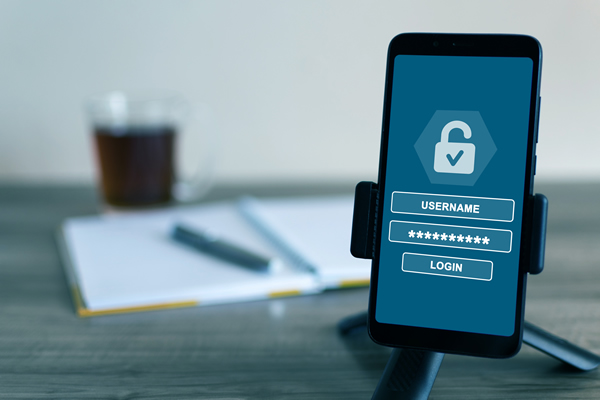
Despite data breaches being a somewhat recurring issue, the recent one stands out due to the sheer volume of information potentially exposed. This breach took place at National Public Data, a company that provides personal information to employers, private investigators, staffing agencies, and others for background checks. You can read more about the breach in this article: Hacker Claims Theft of Every American Social Security Number.
Greenwood Credit Union continues to strongly recommend that our members take proactive measures to protect themselves. Regularly review your account statements and credit reports, avoid sharing personal information during unsolicited calls, and don’t hesitate to hang up if something feels off. Additionally, always use strong, unique passwords for all online accounts. If you suspect your identity has been compromised, visit IdentityTheft.gov for a detailed guide on what steps to take.

The Appraiser Scam
This scam often begins with an email that includes photos of your home, along with your name, address, and other personal details. Scammers use this information to demand money in a threatening manner, pressuring you to act quickly to prevent negative consequences, such as having sensitive information posted online or your mortgage being affected.
For more information on this type of scam, you can refer to this link: Massachusetts police warn of threatening scam using pictures of homes – CBS Boston (cbsnews.com)
If you’re ever unsure about a call or feel uncomfortable with the interaction, hang up immediately and contact us directly at 401-739-4600 or email us at [email protected].
